
Colonoscopy
What is a Colonoscopy?
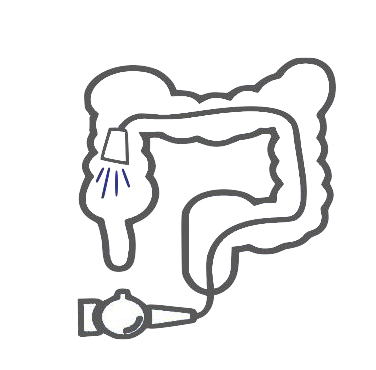
Colonoscopy is an endoscopic procedure that examines the colon's lining, also known as the large intestine.
It is a vital tool in preventing and early detection of colon cancer, the third most common cancer in Australia.
Colonoscopy is performed to detect irregularities such as
- inflamed tissue,
- ulcers, and
- abnormal growths.
Why Have a Colonoscopy?
Specifically, a colonoscopy helps in the diagnosis of
- colorectal cancer,
- bowel disorders,
- abdominal pain,
- inflamed tissue,
- ulcers, and
- anal bleeding.
Colonoscopy Device
An instrument called a colonoscopy is used during a colonoscopy. It is a long, flexible tube with a tiny camera and light on the end to examine the inside of the colon (large intestine).
By adjusting the various controls on the colonoscope, your doctor can safely guide the instrument to carefully examine the inside lining of the digestive system or the upper or lower gastrointestinal tract.
Other instruments can be inserted through the colonoscope, allowing various therapeutic procedures to be performed during the procedure.
Such therapeutic procedures may include
- Biopsy - taking tissue samples (biopsies) and
- Polypectomy - removal of polyps (benign wart-like growths).
Polyps or growths are removed during a Colonoscopy and can be sent to a pathology lab for diagnostic testing later.
Who is Suitable for a Colonoscopy?
Colonoscopy is recommended for adults aged 50 years and above with an average risk of colon cancer. However, people with a family history of colon cancer, inflammatory bowel disease, or other colon-related diseases may need to start screening earlier. Your doctor will determine the frequency of your colonoscopies based on your medical history and risk factors.
Benefits of Colonoscopy
The benefits of colonoscopy are many, including early detection of colon cancer, which can lead to higher survival rates. Colonoscopy can also detect and remove precancerous polyps, preventing them from becoming cancerous. Additionally, a colonoscopy can identify and diagnose other colon-related diseases, such as inflammatory bowel disease or diverticulitis.
Types of Colonoscopy
There are two main types of colonoscopy: diagnostic and screening colonoscopies.
- A diagnostic colonoscopy is performed when symptoms such as abdominal pain, rectal bleeding, or a change in bowel habits are present.
- A screening colonoscopy is performed on individuals who have no symptoms but are at risk of developing colon cancer.
Alternative Options to Colonoscopy
While colonoscopy is the gold standard for colon cancer screening, alternative options are available. These include faecal occult blood tests (FOBT), faecal immunochemical tests (FIT), stool DNA tests, and virtual colonoscopies. However, it's essential to note that these alternative options may not be as accurate as colonoscopy and may require follow-up testing.
Irregularities During Colonoscopy
Occasionally, narrowing of the bowel or other diseases may prevent the instrument from being inserted the full length of the colon.
If your doctor identifies any irregularities during the colonoscopy, they may recommend further testing or treatment, depending on the type and severity of the irregularity.
The irregularity may sometimes require additional testing, such as a CT scan or MRI. Your doctor will discuss any findings and recommend appropriate treatment based on your circumstances.
How Long Does a Colonoscopy Take?
The procedure typically takes around 30 minutes to an hour to complete, depending on the length of your colon and whether any polyps or other abnormalities are detected.
Consent Forms for Colonoscopy
Because of the risk of cancer, it is recommended that all polyps found be removed at the time of colonoscopy.
Due to sedation, it will not be possible to discuss the removal now; therefore, if you have any questions regarding polyp removal, please discuss this before the procedure.
For the colonoscopy to be performed, a consent form is required to be signed by you on the day of the procedure.
Preparation Before a Colonoscopy
- Bowel preparation: You must follow a special diet and take bowel preparation medication before your procedure. Printed instructions will be provided at the time of your booking, or click here for instructions.
- Fasting: Stop drinking and eating for approximately 6 hours before the procedure. The hospital will contact you one working day before your procedure to advise your fasting time.
- Medications: You will be instructed to stop your blood-thinning and diabetes medications.
Colonoscopy Procedure
- During a colonoscopy procedure, you will lie on your left side on an examination table. Your doctor will administer a sedative to help you relax and reduce any discomfort.
- Once you're sedated, your doctor will insert a colonoscopy, a long, flexible tube with a tiny camera and light on the end, through your rectum and into your colon. The camera at the end of the colonoscope allows your doctor to view the colon's inner lining on a monitor.
- As the colonoscope is advanced through your colon, your doctor will examine the lining for any abnormalities, such as polyps or lesions. If any polyps are found, they can be removed during the procedure. Your doctor will use small instruments to remove the polyps or take a biopsy of any abnormal tissue for further analysis.
Once the procedure is finished, you'll be monitored briefly to ensure the sedative wears off and you're feeling well enough to go home.
What Happens After Your Colonoscopy?
After your colonoscopy, following your doctor's aftercare instructions carefully is essential to ensure a smooth and successful recovery. Here are some common aftercare instructions you may receive:
- Rest: You should rest for the remainder of the day following your colonoscopy to allow the sedative to wear off fully. Arrange for someone to drive you home after the procedure.
- Diet: You may be instructed to follow a specific diet for a few days following your colonoscopy. Your doctor may recommend avoiding certain foods, such as those high in fibre or difficult to digest, to reduce discomfort and promote healing.
- Medications: Your doctor may advise you to stop taking certain medications shortly after the procedure, especially blood thinners. You should also avoid taking nonsteroidal anti-inflammatory drugs (NSAIDs), such as aspirin or ibuprofen, for a few days following your colonoscopy.
- Hydration: Drink plenty of fluids to help flush out your system and prevent dehydration. Avoid alcohol and caffeine for at least 24 hours following your colonoscopy.
- Physical activity: Avoid strenuous physical activity for at least 24 hours after the colonoscopy. Depending on the results, your doctor may recommend that you take it easy for a few days following the procedure.
- Follow-up: You'll need to follow up with your doctor to discuss the results of your colonoscopy and any further treatment, such as removing polyps. Your doctor may also schedule a follow-up colonoscopy based on your risk factors and the results of the procedure.
Colonoscopy Prognosis
The prognosis for colonoscopy is excellent. It is a highly effective procedure for detecting colon cancer and can also identify and remove precancerous polyps. Early detection of colon cancer increases the likelihood of successful treatment and a better overall prognosis.
Colonoscopy Risks and Complications
For inspection of the bowel alone, complications of colonoscopy are very uncommon. Most surveys report complications of 1:1000 examinations or less.
As with any medical procedure, there are risks associated with a colonoscopy. However, relatively low risk occurs in only a small percentage of cases. It's essential to understand these risks before undergoing the procedure. Some common risks of colonoscopy include:
- In rare cases, the colonoscope may cause a tear or hole in the colon, leading to bleeding. If bleeding occurs, it's typically minor and stops on its own. However, in rare cases, additional treatment may be needed.
- A perforation occurs when the colonoscope punctures the wall of the colon. This is a rare but potentially serious complication that may require surgery to repair.
- Colonoscopy can introduce bacteria into the colon, which may lead to an infection. This is a rare complication, but it can be serious if it occurs.
- Some people may experience an adverse reaction to the sedative used during the procedure, such as breathing problems or an allergic reaction.
- Other rare risks of colonoscopy include adverse reactions to medications used during the procedure, abnormal heart rhythms, and complications related to underlying health conditions.
Discussing the potential risks of colonoscopy with your doctor before the procedure is essential. Your doctor will evaluate your health history and risk factors to determine if a colonoscopy is best for you. The benefits of detecting colon cancer early through colonoscopy generally outweigh the risks, but it's important to understand the potential complications before the procedure.
What if a Colonoscopy is Delayed?
Delaying a colonoscopy should not be taken lightly, as early detection is crucial in preventing and treating colon cancer. However, if your colonoscopy is delayed, discussing your options with your doctor is important to ensure you receive the appropriate screening and care.
