
Hernia Disease
What is a Hernia?
Generally, a hernia is a bulge or protrusion of an organ through the structure or muscle that usually contains it.
A weakness or defect may occur from birth or develop over time.
A hernia will tend to enlarge and continue to cause discomfort.
If a loop of the bowel gets caught in a hernia, it may become obstructed, or its blood supply may become impaired. A hernia that causes this type of obstruction could become a life-threatening situation.

Impact of Hernia on Anatomy and Health
The effects of a hernia on your body depend on several factors, including its location, size, and severity. Here are some general effects and potential complications associated with hernias:
- Bulge or lump
- Discomfort or pain
- Digestive issues
- Incarceration (trapping of tissue)
- Strangulation (blood supply blockage)
- Obstruction (intestinal blockage)
Risk Factors and Causes of Hernia
Hernias are typically caused by a combination of factors that increase pressure on the muscles and connective tissues, weakening them and creating openings or weak spots through which organs or tissue can protrude. Here are some common risk factors and causes of hernias:
- Age: Hernia risk increases with age as muscles and connective tissues weaken over time.
- Gender: Some hernia types are more common in specific genders. For example, inguinal hernias are more common in males, while femoral hernias are more common in females.
- Family History: Hernias can run in families, suggesting a genetic predisposition.
- Obesity: Excess weight puts additional pressure on abdominal muscles, increasing the risk of hernias.
- Pregnancy: Pregnancy can weaken abdominal muscles and increase the risk of herniation.
- Heavy Lifting: Jobs involving heavy lifting can strain muscles and increase the risk of hernia.
- Chronic Coughing or Sneezing: Conditions causing chronic coughing or sneezing can weaken abdominal tissues over time.
- Previous Abdominal Surgeries: Surgical scars can create weak spots that raise the risk of hernias.
Symptoms of Hernia
Hernias may sometimes be asymptomatic, meaning they do not cause noticeable symptoms. However, if the stomach's acid content reflux occurs (gastro-oesophageal reflux), they may experience heartburn. This is a painful burning sensation in the chest.
Sudden regurgitation of acid fluid into the mouth can occur, especially when you lie down or bend forward. These symptoms are a problem when you go to bed and can wake you up.
Other symptoms may include:
- Visible or palpable bulge
- Discomfort or pain
- Pressure or heaviness
- Burning or aching sensation
- Changes in bowel movements
- Digestive symptoms
- Nausea and vomiting
Preventing Hernia
Not all hernias can be prevented, particularly those caused by congenital weaknesses. However, certain lifestyle measures may help reduce the risk.
- Maintaining a healthy weight: Reduces strain on the abdominal wall.
- Using proper lifting techniques: Avoid lifting heavy objects incorrectly.
- Treating chronic cough: Managing respiratory conditions can reduce abdominal pressure.
- Preventing constipation: A fibre-rich diet and adequate hydration help avoid straining.
- Strengthening core muscles: Gentle exercises may help support the abdominal wall.
These strategies may help lower the risk of hernia formation or recurrence after surgery.
Types of Hernia
The most common types of hernia are
- Inguinal (Inner Groin),
- Incisional (resulting From An Incision),
- Femoral (Outer Groin),
- Epigastric Hernia,
- Umbilical (Belly Button), and
- Hiatal (Upper Stomach).
Incisional Hernia
In an incisional hernia, the intestine pushes through the abdominal wall at the site of the previous surgery. This type is most common in elderly or overweight people who are inactive after abdominal surgery.
Femoral Hernia
A femoral hernia occurs when the intestine enters the canal carrying the femoral artery into the upper thigh. Femoral hernias are most common in women, especially those who are pregnant or obese.
Epigastric Hernia
An epigastric hernia is a type of abdominal wall hernia that occurs in the upper middle part of the abdomen, between the breastbone (sternum) and the belly button (umbilicus). This region is called the epigastrium, which is where the condition gets its name.
An epigastric hernia develops when fatty tissue or part of the abdominal contents pushes through a weakness in the linea alba, the fibrous tissue that runs down the midline of the abdominal wall. The hernia often appears as a small lump or bulge in the upper abdomen, which may become more noticeable when standing, coughing, or straining.
These hernias are usually small and commonly contain pre-peritoneal fat rather than intestine, although larger hernias may involve abdominal organs. While many epigastric hernias cause minimal symptoms, some may become painful or increase in size over time.
Umbilical Hernia
An umbilical hernia is a defect in the abdominal wall near the navel. It is common in newborns and afflicts women who have had many children.
Hiatal Hernia
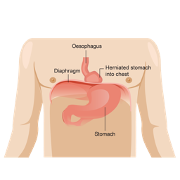
A hiatal hernia is a condition in which part of the stomach extends through an opening of the diaphragm into the chest. The diaphragm is the sheet of muscle that divides the chest from the abdomen and is the main muscle used in breathing.
Hiatal hernia repair involves ‘reducing’ (meaning moving back down) the stomach from the chest into the abdominal cavity. The opening in the diaphragm is tightened with sutures to prevent the stomach from bulging back into the chest. The top part of the stomach, the fundus, is often wrapped around the lower oesophagus as a fundoplication to treat acid reflux.
Inguinal Hernia
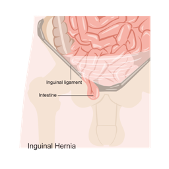
Inguinal hernias most often contain fat or part of the small intestine. In girls or women, inguinal hernias may contain part of the female reproductive system, such as an ovary. When an inguinal hernia occurs, part of the peritoneum—the lining of the abdominal cavity—bulges through the abdominal wall and forms a sac around the hernia.
Symptoms of an inguinal hernia may include a bulge in the groin, a bulge in the scrotum in males, or feelings of discomfort, pain, heaviness, or burning in the groin. Symptoms may worsen with straining, coughing, lifting, or prolonged standing.
Most people with inguinal hernias will need surgery to repair the hernia. Several different types of open and laparoscopic hernia surgery are available. The type of surgery depends on factors such as the size of the hernia and your age, health, and medical history. In both open and laparoscopic repairs, mesh is used to close and strengthen the abdominal wall.
Diagnosis of Hernia
Hernia is typically diagnosed through physical examination, review of medical history, and, sometimes, imaging tests.
- Physical examination: : A doctor or surgeon will conduct a physical examination to assess the presence of a hernia. They will typically examine the affected area while you are standing, coughing, or straining, as these actions can make the hernia more visible or palpable. The doctor will look for any bulges or lumps and may apply gentle pressure to check for reducibility (whether the hernia can be pushed back into place).
- Medical history review: The doctor will ask you about your medical history, including any symptoms you may be experiencing. They will inquire about the location and duration of any bulges or discomfort, as well as any factors that exacerbate or alleviate the symptoms.
- Imaging tests: In some cases, imaging tests may be ordered to confirm the diagnosis or obtain additional information about the hernia. Common imaging tests used for hernia diagnosis include:
- Ultrasound: This non-invasive test uses sound waves to create images of the internal structures. Ultrasound can help determine the hernia's size, location, and contents.
- CT scinvolveputed Tomography): A Ckgcan provides detailed cross-sectional images of the body, allowing the doctor to visualise the hernia and assess its characteristics.
- MRI (Magnetic Resonance Imaging): MRI uses magnetic fields and radio waves to generate detailed images of the body. It can provide information about the hernia and surrounding structures.
Combining physical examination findings, medical history, and imaging test results allows the doctor to accurately diagnose and determine the appropriate treatment plan.
Non-Surgical Treatment Options
Watchful Waiting
- In some cases, small and asymptomatic hernias may not require immediate treatment.
- Regular monitoring by a healthcare professional is recommended to ensure the hernia does not worsen or cause complications.
Lifestyle Modifications
- Weight management: Maintaining a healthy weight can help reduce pressure on the abdominal wall, potentially easing symptoms and preventing hernia progression.
- Dietary adjustments: Avoiding heavy meals, spicy foods, and foods that trigger acid reflux can help manage symptoms of hiatal hernias.
- Quitting smoking: Smoking can weaken tissues and impair healing, so quitting smoking benefits overall health and hernia management.
Supportive Measures
- Wearing a hernia belt or truss: These devices support the affected area, helping to hold the hernia in place and reduce discomfort.
- Physical therapy exercises: Specific exercises prescribed by a healthcare professional can strengthen the surrounding muscles, potentially alleviating symptoms and reducing the risk of hernia progression.
Surgical Treatment Options
Hernia Repair Surgery
Hernia Repair procedures will vary depending on the type, location and patient.
Hernia Repair may be performed as Open Surgery, Keyhole Surgery, or Laparoscopic Surgery.
- Herniorrhaphy: In this procedure, the surgeon pushes the herniated tissue back into place and reinforces the weakened area with sutures or mesh.
- Laparoscopic surgery: A minimally invasive approach with small incisions, using a laparoscope to guide surgical instruments for hernia repair.
- There are two types of laparoscopic surgery, and the most commonly used surgical techniques for hernia repair are
- Transabdominal Preperitoneal (TAPP) Repair and
- Totally Extraperitoneal (TEP) Repair.
Hernia Mesh
- Mesh reinforcement commonly strengthens the weakened area during hernia repair surgeries.
- The mesh can be made from synthetic materials or derived from animal tissue, and it supports the surrounding tissues, reducing the risk of hernia recurrence.
What if Hernia is Left Untreated?
If a hernia is left untreated, it can lead to various complications and potentially worsen over time. The hernia may gradually increase in size as the weakened area of the muscle or connective tissue enlarges, resulting in a more prominent bulge. Untreated hernias can cause ongoing discomfort and pain, particularly during physical activities or strain.
Hernias can lead to intestinal obstruction, tissue damage, and potential complications during hernia repair surgery without timely treatment. Therefore, it is crucial to seek medical attention if a hernia is suspected to prevent the condition's progression and minimise the risk of complications.
